Home Care vs Assisted Living: How to Choose Based on Health Needs
Business Name: FootPrints Home Care
Address: 4811 Hardware Dr NE d1, Albuquerque, NM 87109
Phone: (505) 828-3918
FootPrints Home Care
FootPrints Home Care offers in-home senior care including assistance with activities of daily living, meal preparation and light housekeeping, companion care and more. We offer a no-charge in-home assessment to design care for the client to age in place. FootPrints offers senior home care in the greater Albuquerque region as well as the Santa Fe/Los Alamos area.
4811 Hardware Dr NE d1, Albuquerque, NM 87109
Business Hours
Choosing where an older adult needs to live is rarely simply a housing concern. It is a health decision, a safety decision, and a family choice. I have sat at kitchen area tables with daughters attempting to determine how to keep their dad home care albuquerque nm at home after a stroke, and I have strolled corridors with children who understood their mom's memory loss had outgrown the family's capability to manage it. The ideal answer typically reveals itself when you match the genuine health needs to the assistance that various settings can reliably provide.
What follows blends useful information with stories from the field, so you can evaluate not only what each choice guarantees, but likewise how it plays out daily. You will see compromises. You will also see that for lots of families, the final plan consists of elements of both courses in time: a duration of senior home care to support and construct routines, then a transfer to assisted living if needs speed up or seclusion grows.
Start with the health picture, not the brochure
The fastest method to cut through confusion is to map the individual's health requirements. Not just detects, however how those diagnoses appear in every day life. 2 individuals with heart failure can have really various capacities. One may need help with a weekly pillbox and a salt-restricted diet plan. The other might require everyday weights, close keeping track of for swelling, and reminders to use oxygen. A correct decision grows from actual tasks, frequency, and risk.
Build a simple picture of the last two weeks. What time do they wake? Who establishes medications? How typically do they get short of breath? When was the last fall, near-fall, or scare? Who reacts at 2 a.m. if the smoke detector beeps or the blood sugar dips? This granular view informs you whether in-home care can cover the gaps or if a congregate setting with 24-hour staffing is more protective.
I frequently ask families to frame needs in two columns: foreseeable care and unpredictable risk. Predictable care includes bathing help, meal prep, transportation, and light housekeeping. Unpredictable threat consists of roaming, abrupt confusion, serious hypoglycemia, a history of night-time falls, or aggressive habits from dementia. Home care stands out with foreseeable, scheduled support. Assisted living is developed to handle some unpredictability, and it adds supervised environments, staff existence, and integrated safety systems.
What "home care" actually provides
Home care, also called in-home care or senior home care, sends out a trained senior caregiver to the house for per hour support or, sometimes, 24/7 shifts. It is not medical nursing by default, though some firms have actually licensed nurses who can do knowledgeable jobs. Most home care service prepares revolve around activities of daily living: bathing, grooming, dressing, toileting, meal preparation, medication reminders, friendship, and safe movement. Great caretakers likewise assist with hydration, gentle exercise, and cueing for amnesia. The best ones learn the individual's rhythms and observe subtle modifications early.
The strengths of elderly home care are comfort, continuity, and modification. Morning regimens can match long-lasting practices. Favorite foods remain on the table. Animals sit tight. Spiritual practices and neighborhood connections remain intact. For numerous older grownups, that sense of home underpins much better cravings, much better sleep, and better engagement. When the home is safe, and when the individual can take advantage of consistent routines, at home senior care can support health more effectively than a disruptive move.
The restrictions are about protection and oversight. Home care fills the hours you pay for and organize. If you require two hours in the early morning and two at night, you will have eyes and hands throughout those windows. In between, the person is alone unless family or neighbors action in. A fall can happen ten minutes after the caretaker leaves. Evening is its own test. If you should have someone awake in the home from 10 p.m. to 6 a.m., the cost scales rapidly. Some households attempt technology as a bridge, with movement sensing units and door alarms, but devices do not physically assist someone up from the restroom floor at 3 a.m.
The expense calculus depends upon hours per week. At lots of companies in the United States, private-pay rates fall roughly between the mid-20s to mid-30s per hour, in some cases higher in big city areas. Four hours per day, five days a week can be workable long term. Twelve hours per day, seven days a week becomes pricey fast. Yet for the right requirements, even short day-to-day gos to can avoid hospitalizations by making sure medications are taken, meals are eaten, and early signs are reported.
One more point that typically gets missed: home care is a relationship company. A dependable caregiver who appears on time, knows the individual's favorite coffee mug, and notices when gait slows is better than a turning cast of strangers. Interview the agency about connection, guidance, and backup plans. Ask how they deal with a caretaker health problem, a no-show, or an inequality in personality. In practice, these service elements make or break the experience.
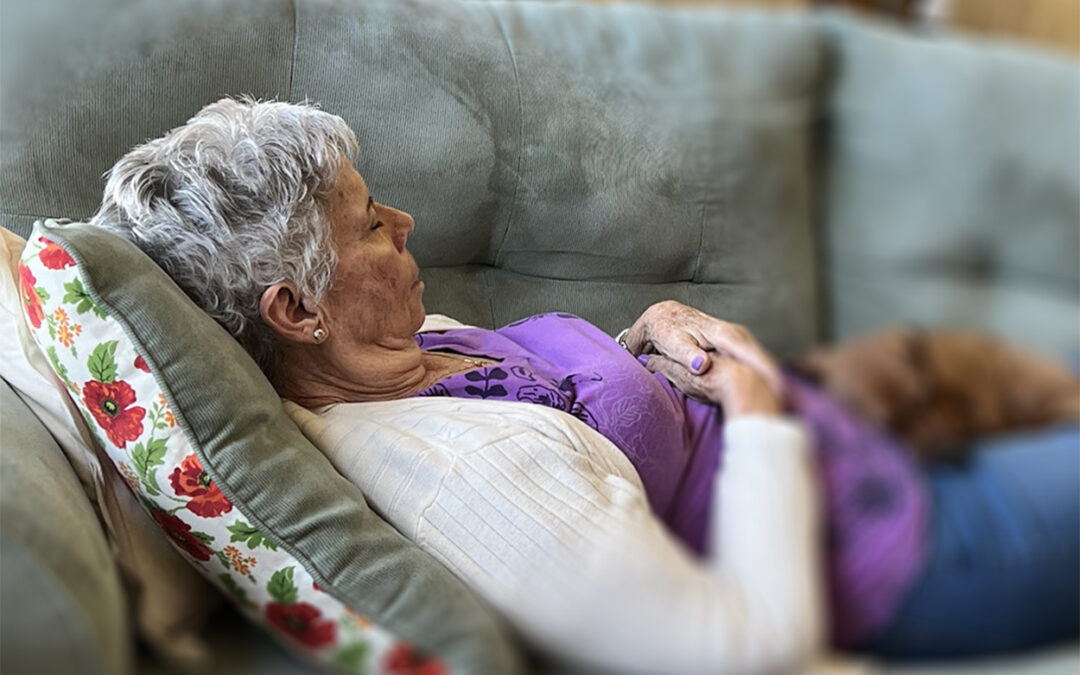
What assisted living truly offers
Assisted living is a residential neighborhood with homes or suites, meals, housekeeping, social programs, and on-site staff who aid with everyday tasks. It is not a nursing home, and the scientific capability varies by state guidelines and by center. The majority of provide 24-hour personnel presence, medication management, assist with bathing and dressing, and prompt action to pull cords or call pendants. Lots of likewise have memory care units for residents with substantial dementia and roaming threat, with secured entryways and specialized activities.
The chief strength is the safety net. If a resident stands up at 2 a.m. and feels dizzy, there is somebody to push the button for. If blood pressure tablets run low, the medication specialist notices. Dining-room prevent missed meals. Hallways lined with hand rails minimize injury danger. Isolation lifts. In neighborhoods that run strong activity programs, cognitive and physical stimulation entered into the baseline day.

Limitations do exist. Even with good staffing, caregivers are shared. Assistance is not rapid, and regimens work on the community's schedule. Bathing might be offered on set days. A late riser may feel rushed before the breakfast window closes. Homeowners with complex medical needs might exceed what assisted living legally can supply, triggering a move to a higher-care setting. Families sometimes envision "continuous watchfulness," then feel surprised when the neighborhood operates more like a supportive apartment that depends on citizens to demand help.
Cost structures generally integrate rent plus a care level charge, which increases as requirements increase. In numerous markets, base month-to-month costs fall in the range of a few thousand dollars, with added fees for medication management or greater care tiers. While that can exceed part-time home care, it is often less than spending for 24-hour in-home assistance. When needs are heavy and unforeseeable, assisted living can be the more affordable and more secure route.
Common health profiles and what tends to work
Patterns repeat. No two individuals equal, but certain constellations of requirements point toward one setting or the other.
Mild to moderate physical assistance, stable health: Believe osteoarthritis, manageable heart problem, or moderate Parkinson's without frequent falls. If the home is accessible, in-home care shines. A senior caregiver can help with showers three times weekly, prep meals, manage laundry, and escort to consultations. Since health is steady, the hours needed can stay foreseeable for months or years. The individual keeps a precious garden, a familiar reclining chair, a next-door neighbor who knocks each afternoon.
Frequent falls, bad security awareness, or nocturnal confusion: This is where the limits of home care end up being clear. If an individual stands impulsively without the walker dozens of times per day, you either pay for near-constant supervision or accept a high fall danger when the caretaker is off responsibility. In practice, assisted living minimizes damage by layering environment, supervision, and regimen. Some households try a trial respite remain to check the fit before dedicating to a move.
Advancing dementia with roaming or exit-seeking: Memory care systems within assisted living communities provide secured doors, structured days, and staff trained to reroute. Senior home care can extend the time at home, especially earlier in the illness, but when wandering intensifies or nighttime behaviors escalate, a controlled environment is more secure. I have actually seen GPS trackers and door chimes buy time, but they require vigilant responders. If the sole caretaker is a 78-year-old spouse, that watchfulness might not be sustainable.
Complex medical regimens, regular medication modifications: Assisted living neighborhoods with strong medication programs help avoid dosing errors, interactions, and missed refills. That stated, some patients do well at home with weekly nurse visits for pillbox setup and a constant home care service to cue doses. The hinge here is executive function. If the person can not follow cueing or resists assistance, a managed setting works better.
Post-hospital recovery after a stroke, fracture, or pneumonia: Many individuals take advantage of a step-by-step approach. Start with short-term home care while treatments are ongoing. If development is consistent and the home supports mobility, continue in the house. If repeated setbacks happen, or if the main caregiver is tired, a move to assisted living may prevent the rebound-to-hospital cycle. I have actually viewed older adults gain back strength quicker at home because they sleep better and consume familiar foods, but I have likewise seen others stall since they lacked constant daytime engagement. Your therapist's input matters here.
Safety is not just grab bars
Families often inform me, "We installed grab bars and a ramp, so we're safe now." Excellent start. Genuine safety is layered. Consider vision, cognition, continence, and the speed of aid when something fails. A person who can not hear the smoke alarm requires visual notifies. An individual with diabetic neuropathy requires foot checks. A person who forgets the range needs to have controls disabled or meals offered. In home settings, a senior caretaker can serve as that 2nd pair of eyes, but just when present. In assisted living, the environment itself includes guardrails: induction cooktops, staffed dining, broad, well-lit hallways, and emergency pull cords.
I likewise try to find triggers that intensify risk. A chaotic kitchen with throw carpets and poor lighting signals fall dangers. Polypharmacy increases confusion and dizziness. Unmanaged discomfort leads to bad sleep, which leads to late-night wandering. Whether you select elderly home care or assisted living, address these upstream threats. Simplify medications with a pharmacist's evaluation. Get an eye examination. Replace bulbs. Remove thresholds. Tiny modifications prevent big crises.
The psychological piece and how it affects care
Health needs do not exist in a vacuum. Grief, isolation, pride, and identity shape what an individual can endure. Some seniors grow in neighborhoods, eating with good friends and signing up with choir practice. Others feel disoriented by brand-new faces and schedules. The greatest care strategy appreciates temperament.
Respect does not mean preventing hard choices. I have actually had clients who insisted they were fine alone, regardless of clear evidence of risk. One gentleman with moderate dementia concealed his is up to prevent "being delivered off." The compromise that worked for a time was everyday in-home care plus a medical alert system and next-door neighbor check-ins. When night roaming started, his child faced the tipping point. She toured memory care with him on a good day, brought his preferred recliner and household images, and went to at supper time for the very first week. He settled. She slept for the very first time in months. The ideal response was not what he stated he wanted at first, however it honored his dignity by keeping him safe and engaged.
Families bring emotion too. Guilt about "putting mom in a home" is pervasive, sustained by out-of-date pictures of institutional care. Great assisted living does not resemble those images. Alternatively, regret can stream the other direction when home care stretches a partner past the snapping point. A plan that secures the caretaker's health is not a failure. It is prudent. Burnout results in errors and hospitalizations. When a 79-year-old other half is lifting a 200-pound partner who falls during the night, the injury danger is shared. In some cases the bravest choice is to accept more aid in a various setting.
Money matters, and timing matters more
Affordability shapes options. If the person has long-term care insurance coverage, clarify whether it covers in-home care, assisted living, or both, and what activates benefits. Lots of policies require help with two activities of daily living or recorded cognitive disability. If cost savings are restricted, compare the expense of part-time in-home care against the all-in month-to-month cost of assisted living in your location, including care level charges and medication management charges. Veterans and surviving spouses ought to inquire about Help and Presence advantages, which can assist offset costs. Some states use Medicaid waiver programs that support home care or assisted living once monetary requirements are met.
Do not ignore timing. Beginning senior care early, even two afternoons a week, can stabilize health and develop trust. Families that wait on a crisis land in emergency decisions with less choices. Communities with strong reputations have waitlists. The best senior caretaker in your area will have limited accessibility. Line up alternatives when the path is calm. If the individual resists, frame it as a short trial to help with one specific goal, like safe showers after a small fall. Success breeds acceptance.
How to choose: a practical comparison
Here is a succinct way to map requirements to setting. If the majority of your boxes land in the left column, home care most likely fits now. If your pattern skews right, examine assisted living.
-
You requirement scheduled aid with bathing, dressing, meals, light workout, and transportation, with fairly stable health from week to week. You prefer staying in a familiar environment, and the home can be made safe without substantial remodelling. You have family or neighbors who can fill little gaps or respond to alerts between caregiver visits.
-
You experience frequent falls or confusion at odd hours, have wandering or exit-seeking, need prompt response overnight, or need medication management that you can not safely handle at home. You would benefit from integrated social contact, on-site meals, and a monitored environment with 24-hour personnel presence.
This is not a rigid rule. I have actually seen couples mix both methods by working with in-home care inside assisted living, including one-on-one support throughout a transition or a rough patch. The goal is practical security and quality of life, not allegiance to a single model.
What excellent appear like in each option
Quality varies commonly. Insist on evidence, not promises.
For home care, ask how the agency employs and trains caretakers, how they monitor them, and how they match personalities. Request a meet-and-greet before the very first shift. Clarify tasks in writing: "assist with shower, set out clothing, prepare breakfast and lunch, hint medications, brief walk if weather authorizations." Agree on interaction methods. A brief day-to-day note, even an image of breakfast and a message about mood and mobility, keeps family in the loop. If the individual has dementia, ask about experience with redirection, sundowning, and limits. Good senior care in the home frequently consists of little, practical details: labeling drawers, simplifying the closet to two outfit choices, positioning the walker at bedside with a radiance nightlight.
For assisted living, tour at various times, including evenings and weekends. Consume a meal. View a medication pass. Note whether locals seem engaged or parked in front of TVs. Ask about staff tenure. High turnover generally appears on the flooring as missed out on details. Evaluation the care evaluation tool and what sets off fee increases. If you anticipate development of needs, verify whether the neighborhood can handle those changes or needs a move to memory care or experienced nursing. An honest administrator who informs you what they can not do is a good sign. It implies you can plan honestly.
The role of clinicians, and the value of data
Bring the medical care medical professional, a geriatrician if you have one, and therapists into the discussion. PT and OT see functional reality: how far the person can walk before tiredness, the number of hints it takes to stand safely, what adaptive equipment will assist. Physical therapists are especially skilled in your home safety tweaks, from raised toilet seats to wise positioning of regularly used items. If urinary urgency is tipping into falls, a basic bedside commode can change the formula. Clinical input makes the option evidence-based instead of fear-based.
Use a quick information period to notify the choice. For 2 weeks, log falls, near-falls, missed out on medications, avoided meals, nighttime awakenings, and caretaker strain on an easy sheet. Patterns appear. If there are nightly bathroom journeys with 2 episodes of confusion and one tried outdoor exit at 4 a.m., that is a strong argument for 24-hour supervision. If mornings go smoothly with a two-hour visit and afternoons are calm, home care is working. Numbers cut through hope and worry.
How the decision develops over time
Think of care as a series of chapters. Early on, light at home support may boost self-reliance. Later on, as movement declines or cognitive symptoms intensify, a hybrid design becomes essential: daytime home care plus a medical alert gadget and routine household check-ins. Ultimately, if unpredictability climbs up or caregiver capacity drops, assisted living ends up being the reasonable next action. Households in some cases view a relocation as defeat. It can be a strategic shift that resets security and restores energy for the parts of the relationship that matter most.
I dealt with a couple in their late seventies. She had moderate Alzheimer's, he was physically robust but exhausted. We began with 6 hours of in-home care, 3 days a week. The senior caretaker prepared, walked with her, and managed bathing. He took a snooze. Six months later on, nighttime roaming began. We included 2 over night shifts per week. Expenses increased. He still worried on the off nights and started making mistakes with her medications from fatigue. They explored a memory care unit 5 minutes from their home. She moved after a planned respite stay, and he went to daily for lunch, bringing picture albums. Her weight stabilized, and his blood pressure enhanced. They lost the house-as-setting, however they got security and better time together. The progression made sense since they matched support to require at each stage.
Red flags that suggest you need to act soon
You do not require a catastrophe to justify change. A handful of signs need to move the timeline from "sooner or later" to "now."
- Two or more falls or near-falls in a month, especially with injuries or during the night. Increasing confusion around medications, consisting of double dosing or rejection that can not be safely handled in your home. Weight reduction or dehydration from missed out on meals. Wandering, exit efforts, or unsafe range usage. Caretaker burnout that compromises security or health.
These are not minor bumps. They point to an inequality in between present requirement and present assistance. Whether you increase in-home care hours, add over night coverage, or start the move-in process to assisted living, take a concrete action within weeks, not months.
Questions to bring to the table
Before you decide, sit with these concerns and answer them plainly. Treat them as your internal due diligence.
What are the three highest-risk minutes in a normal day? Who exists throughout those minutes, and what backup exists if that individual is not available? How will the strategy handle nights and emergencies? What can we manage for the next 12 months under this plan, and what is our fallback if requirements increase? How will we maintain social connection and meaningful activity in the picked setting? Who is the single point of contact for care coordination, and how typically will we review and adjust the plan?
If you can respond to these without hedging, you are close to the ideal fit.
The bottom line
There is no single correct answer. Home care, when aligned with steady, predictable requirements and a safe environment, keeps life familiar and can be remarkably effective at avoiding decline. Assisted living, when unpredictable risk or seclusion controls the image, provides 24-hour support, structured engagement, and much faster responses when something fails. Many families will use both designs across the aging journey. Your job is to match today's needs to today's support, review the in shape regularly, and change before crises require your hand.
Choose for safety, yes, however likewise for the little human information that make days worth living. The dog sleeping at your feet. The next-door neighbor who drops off soup. The Tuesday bingo video game that turns into laughter. Whether through in-home care or a well-run assisted living neighborhood, the ideal care needs to secure health while protecting the individual's best habits and happiness. That balance is the true measure of an excellent decision.
FootPrints Home Care is a Home Care Agency
FootPrints Home Care provides In-Home Care Services
FootPrints Home Care serves Seniors and Adults Requiring Assistance
FootPrints Home Care offers Companionship Care
FootPrints Home Care offers Personal Care Support
FootPrints Home Care provides In-Home Alzheimer’s and Dementia Care
FootPrints Home Care focuses on Maintaining Client Independence at Home
FootPrints Home Care employs Professional Caregivers
FootPrints Home Care operates in Albuquerque, NM
FootPrints Home Care prioritizes Customized Care Plans for Each Client
FootPrints Home Care provides 24-Hour In-Home Support
FootPrints Home Care assists with Activities of Daily Living (ADLs)
FootPrints Home Care supports Medication Reminders and Monitoring
FootPrints Home Care delivers Respite Care for Family Caregivers
FootPrints Home Care ensures Safety and Comfort Within the Home
FootPrints Home Care coordinates with Family Members and Healthcare Providers
FootPrints Home Care offers Housekeeping and Homemaker Services
FootPrints Home Care specializes in Non-Medical Care for Aging Adults
FootPrints Home Care maintains Flexible Scheduling and Care Plan Options
FootPrints Home Care is guided by Faith-Based Principles of Compassion and Service
FootPrints Home Care has a phone number of (505) 828-3918
FootPrints Home Care has an address of 4811 Hardware Dr NE d1, Albuquerque, NM 87109
FootPrints Home Care has a website https://footprintshomecare.com/
FootPrints Home Care has Google Maps listing https://maps.app.goo.gl/QobiEduAt9WFiA4e6
FootPrints Home Care has Facebook page https://www.facebook.com/FootPrintsHomeCare/
FootPrints Home Care has Instagram https://www.instagram.com/footprintshomecare/
FootPrints Home Care has LinkedIn https://www.linkedin.com/company/footprints-home-care
FootPrints Home Care won Top Work Places 2023-2024
FootPrints Home Care earned Best of Home Care 2025
FootPrints Home Care won Best Places to Work 2019
People Also Ask about FootPrints Home Care
What services does FootPrints Home Care provide?
FootPrints Home Care offers non-medical, in-home support for seniors and adults who wish to remain independent at home. Services include companionship, personal care, mobility assistance, housekeeping, meal preparation, respite care, dementia care, and help with activities of daily living (ADLs). Care plans are personalized to match each client’s needs, preferences, and daily routines.
How does FootPrints Home Care create personalized care plans?
Each care plan begins with a free in-home assessment, where FootPrints Home Care evaluates the client’s physical needs, home environment, routines, and family goals. From there, a customized plan is created covering daily tasks, safety considerations, caregiver scheduling, and long-term wellness needs. Plans are reviewed regularly and adjusted as care needs change.
Are your caregivers trained and background-checked?
Yes. All FootPrints Home Care caregivers undergo extensive background checks, reference verification, and professional screening before being hired. Caregivers are trained in senior support, dementia care techniques, communication, safety practices, and hands-on care. Ongoing training ensures that clients receive safe, compassionate, and professional support.
Can FootPrints Home Care provide care for clients with Alzheimer’s or dementia?
Absolutely. FootPrints Home Care offers specialized Alzheimer’s and dementia care designed to support cognitive changes, reduce anxiety, maintain routines, and create a safe home environment. Caregivers are trained in memory-care best practices, redirection techniques, communication strategies, and behavior support.
What areas does FootPrints Home Care serve?
FootPrints Home Care proudly serves Albuquerque New Mexico and surrounding communities, offering dependable, local in-home care to seniors and adults in need of extra daily support. If you’re unsure whether your home is within the service area, FootPrints Home Care can confirm coverage and help arrange the right care solution.
Where is FootPrints Home Care located?
FootPrints Home Care is conveniently located at 4811 Hardware Dr NE d1, Albuquerque, NM 87109. You can easily find directions on Google Maps or call at (505) 828-3918 24-hoursa day, Monday through Sunday
How can I contact FootPrints Home Care?
You can contact FootPrints Home Care by phone at: (505) 828-3918, visit their website at https://footprintshomecare.com, or connect on social media via Facebook, Instagram & LinkedIn
Strolling through historic Old Town Albuquerque offers a charming mix of shops, architecture, and local culture — a great low-effort outing for seniors and their caregivers.
Ends · REMINGTONLMTI146